
The Civil War for the Soul of Speed: Zak Brown and the 2027 Engine Controversy
The high-octane world of elite motorsport is currently vibrating with a frequency that has nothing to do with high-revving cylinders and everything to do with political friction. At the heart of this storm is Zak Brown, the influential CEO of McLaren, who has reportedly unleashed a scathing critique of the FIA 2027 engine regulations. This isn’t just a minor disagreement over technical specifications; it is a fundamental clash of philosophies regarding what constitutes the “future” of the pinnacle of motorsport.
When Zak Brown fumed that “they’re ruining Formula 1 and calling it the future,” he wasn’t just speaking for himself; he was articulating a growing anxiety within the paddock that the sport is drifting away from its core identity as a raw, visceral competition of man and machine toward a sanitized, over-engineered stage full of calculations.
 The Engineering Paradox of the 2027 Power Units
The crux of the frustration lies in the FIA’s decision to significantly overhaul the power unit architecture for the upcoming 2027 season. While the initial push was toward a more sustainable, 50/50 split between electrical energy and internal combustion, the practical application of these rules has led to a series of compromises that many insiders, including Zak Brown, find unacceptable. The plan to increase internal combustion engine power in response to fears that cars would run out of battery on long straights has been labeled by critics as a desperate farce.
This technical U-turn suggests that the original vision for a “green” Formula 1 was perhaps too ambitious for current battery technology, leading to a hybrid monster that satisfies neither the environmentalists nor the traditionalists.
A Desperate Farce: Why the Power Balance Matters
For a team like McLaren, which has built its legacy on chassis excellence and aerodynamic efficiency, the shift toward a power unit that requires constant manipulation is a nightmare. Zak Brown has been vocal about the fact that racing should be decided by the bravery of the driver and the ingenuity of the engineers, not by a software algorithm managing energy deployment to prevent a “clogging” effect on the Mulsanne-style straights of modern circuits. By increasing the internal combustion engine power at the eleventh hour, the FIA has essentially admitted that the high-electrical-output dream was flawed.
This pivot creates a mechanical imbalance that threatens to turn the 2027 season into a laboratory experiment rather than a grand prix.
The Shadow of Mohammed Ben Sulayem
While the technical details are complex, the emotional weight of this argument is directed toward the leadership of the FIA, specifically Mohammed Ben Sulayem. The relationship between the teams and the governing body has been strained for some time, but the 2027 engine rule changes have brought tensions to a boiling point. Zak Brown has implicitly attacked the current administration for prioritizing a political narrative of sustainability over the actual quality of the racing product.
The accusation that the sport is being turned into a stage full of calculations is a direct jab at the bureaucratic management style that critics say values optics over the “pure racing” DNA that made Formula 1 a global phenomenon.
The Death of Pure Racing in the Name of Progress
When we talk about real racing, we refer to the unpredictable, the visceral, and the heroic. The fear among the top brass at McLaren and other legacy teams is that the new regulations will make the cars too heavy and the power delivery too synthetic. If a driver has to spend half their lap managing energy recovery systems just to ensure they have enough “boost” for the next straight, the art of the overtake becomes a mathematical certainty rather than a daring maneuver.
Zak Brown’s reported comments reflect a deep-seated worry that the future of Formula 1 is being designed by committee members who have never sat in a cockpit, leading to a sport that looks great on a spreadsheet but feels hollow on the track.
The Complexity Crisis and Technical Barriers
One of the most significant issues with the 2027 engine regulations is the sheer complexity of the hybrid systems. By attempting to appease automotive manufacturers who want “road relevance,” the FIA has introduced layers of technical jargon and expensive components that serve little purpose in a racing environment. Zak Brown has correctly pointed out that this complexity drives up costs and creates a massive gap between the manufacturers and the customer teams.
If the “future” involves spending hundreds of millions of dollars on internal combustion engine power adjustments and sophisticated MGU-K units that the fans cannot even see, then the sport is arguably heading toward a financial and conceptual dead end.
The Specter of Active Aerodynamics
Compounding the engine issues is the necessary introduction of active aerodynamics to compensate for the power unit’s limitations. Because the 2027 power units may struggle with drag when the battery is depleted, the FIA is forced to implement movable wings that change position mid-lap. This is what Zak Brown likely refers to when he mentions a stage full of calculations. Instead of a car that is fast because of its inherent design, we are moving toward a car that is fast because its wings are twitching like an insect’s antennae based on a pre-programmed map.
This level of artificial intervention is seen by many as a desperate farce that moves the sport further away from the “driver vs. driver” ideal.
Manufacturer Influence vs. Sporting Integrity
The push for these rules is largely driven by the desire to attract and retain major car brands like Audi and Honda. However, Zak Brown has been a staunch defender of the idea that the sport should not sell its soul just to keep manufacturers happy. When the FIA caters to the marketing departments of giant corporations, the sporting integrity of Formula 1 takes a backseat. The focus on internal combustion engine power and sustainable fuels is a noble goal, but if it results in a racing product that is boring or overly predictable, the fans will eventually tune out.
The “future” cannot simply be a marketing brochure; it must be a competitive arena.
The Fan Perspective: What Do We Want to See?
At the end of the day, the fans do not buy tickets to see an energy management display. They want to hear the roar of the engines—even if they are hybrid—and see drivers pushing to the absolute limit. The critique from Zak Brown resonates so strongly because it echoes the sentiments of the global fanbase. The move toward a stage full of calculations alienates the very people who have supported the sport for decades.
If the FIA continues down this path of over-regulation and technical micromanagement, they risk turning the pinnacle of motorsport into an expensive, quiet, and ultimately forgettable exercise in corporate branding.
Zak Brown’s Vision for a Better Formula 1
In contrast to the FIA’s current direction, Zak Brown has often advocated for lighter cars, simpler engines, and more financial parity. His frustration with the 2027 engine rule changes stems from the belief that there was a better way to achieve sustainability without sacrificing the spectacle. By focusing on internal combustion engine power derived from 100% sustainable fuels while keeping the hybrid components simple and lightweight, the sport could have maintained its “soul” while still being environmentally responsible. Instead, the current path feels like a series of expensive patches on a fundamentally flawed concept.
The Political Fallout and Team Alliances
This controversy is also creating interesting ripples in the political landscape of the paddock. Zak Brown is not alone in his concerns, though he is perhaps the most vocal. Other team principals have expressed similar anxieties, albeit in more measured tones. The “civil war” between the teams and Mohammed Ben Sulayem is reaching a critical mass. If the teams feel that the FIA is no longer acting in the best interest of the sport’s competitive health, we could see a major power struggle that defines the next decade of racing.
The term desperate farce is a heavy one, and it signals that the time for polite negotiation has passed.
Sustainability vs. Showmanship
The great challenge of modern Formula 1 is balancing the need for environmental consciousness with the demand for world-class entertainment. No one argues against the importance of sustainability, but Zak Brown’s argument is that the 2027 engine regulations are an inefficient way to get there. By over-complicating the power units, the FIA is making the sport less accessible and more prone to technical failures that have nothing to do with racing luck. A “future” that involves cars slowing down on straights to save energy is not a future any racing fan wants to inhabit.
The Impact on Driver Skill
If the car is doing most of the thinking, what happens to the driver? This is the core of the real racing argument. When Zak Brown attacks the shift toward a stage full of calculations, he is defending the role of the athlete. Modern Formula 1 drivers are already managing a staggering amount of data on their steering wheels. If the 2027 rules add even more layers of complexity, the driver becomes more of a system operator than a pilot. This shift diminishes the “hero” factor that is essential for the sport’s popularity.
We want to see a driver’s instinct, not their ability to follow a computer-generated energy delta.
The Financial Burden of the 2027 Transition
Developing these new power units is a multi-billion dollar endeavor. For independent teams and even manufacturer-backed ones, the constant shifting of the goalposts by the FIA is a financial drain. When Zak Brown calls the situation a desperate farce, he is also highlighting the waste of resources involved in designing an engine to one set of rules only to have the internal combustion engine power requirements changed mid-stream. This instability is bad for business and bad for the long-term health of the grid. It creates a barrier to entry that prevents new, innovative teams from joining the fray.
A Call for Leadership and Clarity
The escalating rhetoric from Zak Brown serves as a wake-up call for the FIA. The leadership of Mohammed Ben Sulayem is being tested like never before. To save the future of Formula 1, the governing body must find a way to reconcile their technological ambitions with the practical realities of high-speed competition. This requires a level of transparency and collaboration that has been missing from the recent rule-making process. If the 2027 engine rule changes are not refined to prioritize the quality of the show, the sport risks a period of stagnation and decline.
The Long-Term Consequences of Over-Engineering
History has shown that when Formula 1 becomes too focused on technical gimmicks, the racing suffers. Whether it was the overly dominant active suspension of the early 90s or the complex aero appendages of the mid-2000s, the sport always has to self-correct to bring back the excitement. The worry is that the 2027 engine regulations are such a massive departure from simplicity that the correction will be painful and expensive. Zak Brown’s fury is a pre-emptive strike against a future where the roar of the crowd is drowned out by the clicking of keyboards in a data center.
Redefining the “Future” of the Sport
What should the future of Formula 1 look like? If you ask Zak Brown, it likely looks like lightweight cars, screaming engines fueled by carbon-neutral liquids, and a set of rules that lets the best team win without constant regulatory intervention. It is a future where “innovation” means finding a tenth of a second in a corner, not finding a loophole in a thousand-page technical document. The internal combustion engine power increase should not be a desperate fix; it should be part of a coherent strategy to ensure Formula 1 remains the fastest, loudest, and most exciting sport on Earth.
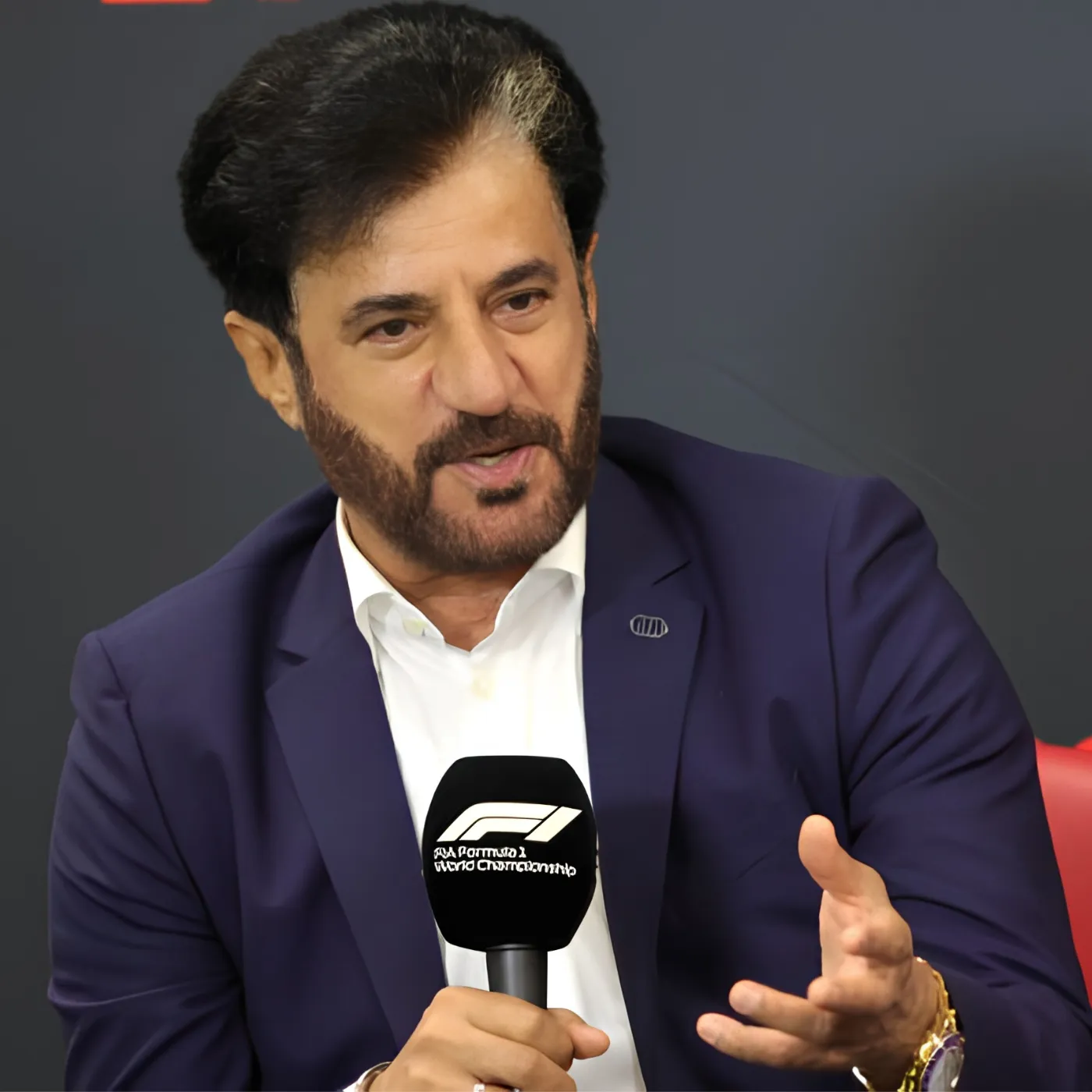
A Turning Point for the FIA
The reports of Zak Brown’s comments have sent shockwaves through the industry because they ring true for so many. The FIA and Mohammed Ben Sulayem are at a crossroads. They can either continue to push a version of the “future” that is bogged down by a stage full of calculations, or they can listen to the teams and the fans who are pleading for a return to real racing. The 2027 engine rule changes represent more than just a mechanical shift; they represent a choice about what Formula 1 wants to be.
If the sport chooses the path of the desperate farce, it may find that the future it built is one that nobody wants to watch. The coming months will be critical as the teams and the governing body clash over the final details of these regulations. For the sake of the sport, one can only hope that the spirit of competition prevails over the lure of over-engineered optics. Formula 1 has survived many crises in its long history, but the battle for its very essence—the balance between technology and raw human skill—is perhaps the most important fight of all.
As Zak Brown has made clear, “progress” is only progress if it leads to better racing. Anything else is just a distraction from the pursuit of speed.