
The 2026 Formula 1 season kicked off with the Australian Grand Prix in Melbourne, delivering a mix of chaos, drama, and strong performances from several teams. However, the weekend will likely be remembered most for Max Verstappen’s outspoken frustration with the new regulations and his pointed comments that once again raised questions about his long-term future in the sport.
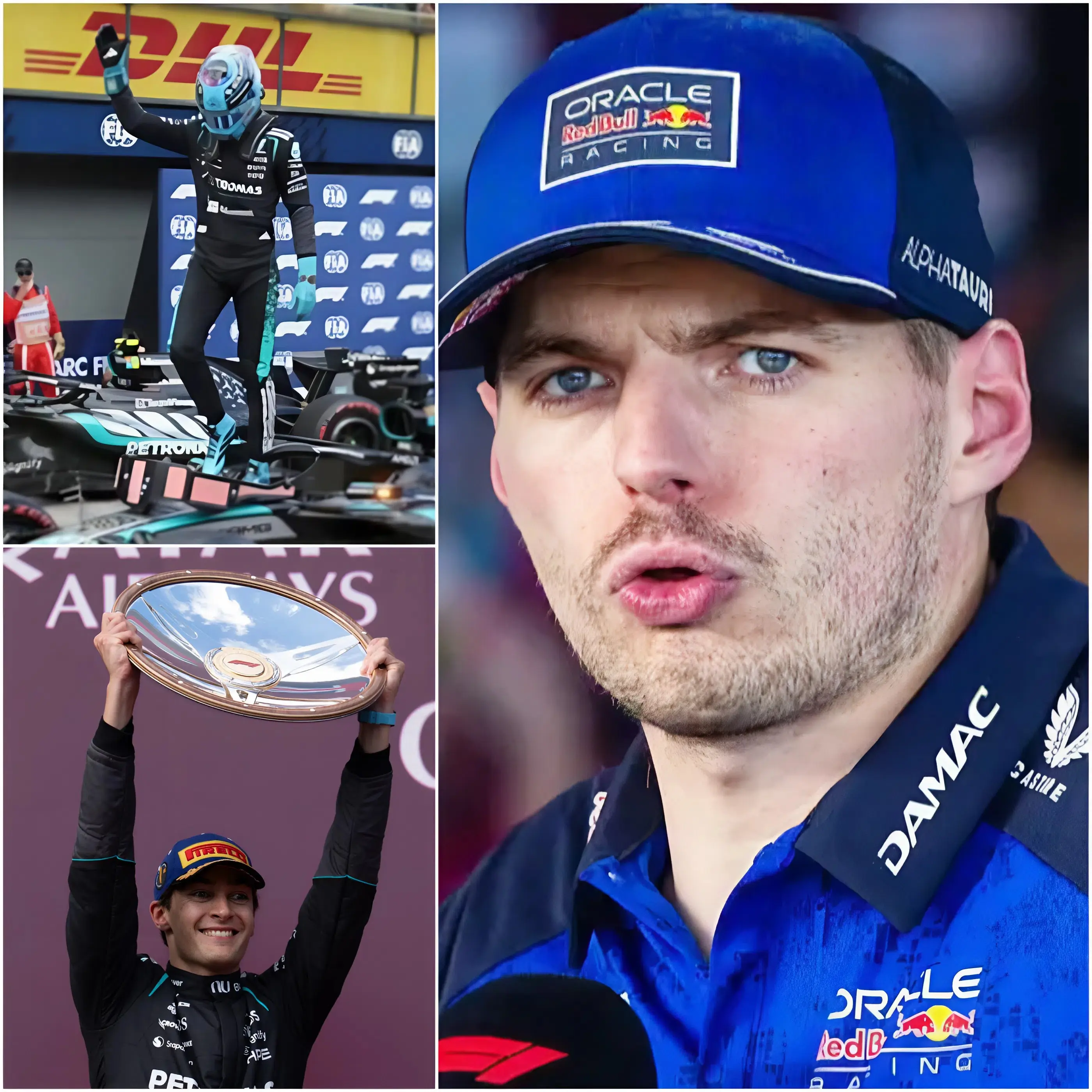
Verstappen, the four-time world champion, endured a nightmare weekend at Albert Park. His troubles began in qualifying when he crashed out in Q1 after an unusual rear axle lock at Turn 1, a moment he described as something he had never experienced before in his career. The incident left him with no lap time and forced him to start the race from 20th on the grid. An X-ray on his hands was required post-crash as a precaution, though nothing was broken, and he was cleared to race.
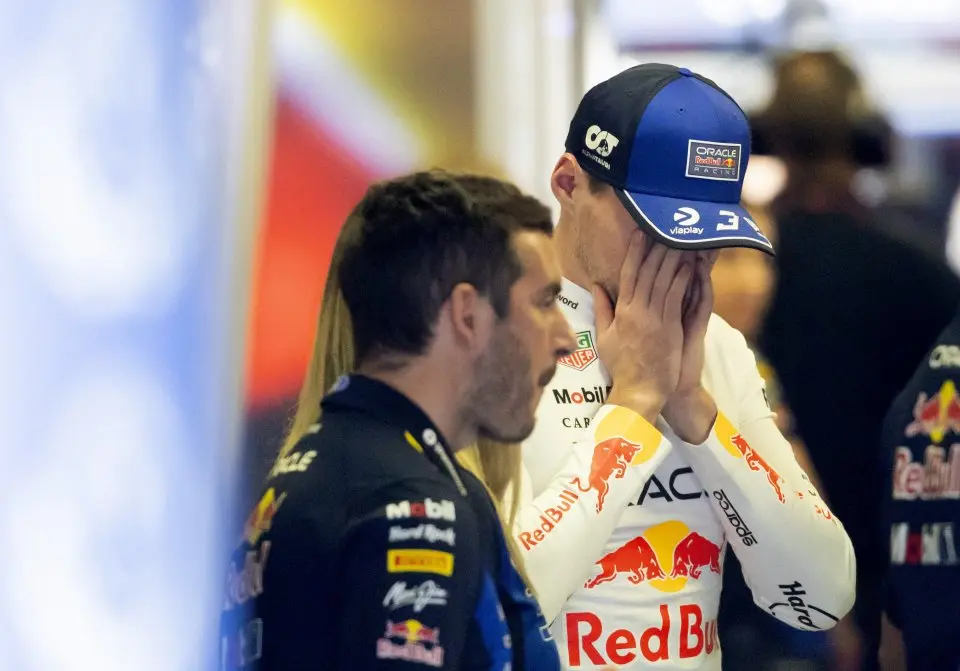
Starting from the back, Verstappen faced an uphill battle in the race itself. Compounding his difficulties was a poor getaway, which he later attributed to having “no battery” — a reference to the heavy reliance on energy management under the 2026 rules. These regulations, introduced to make cars more sustainable with increased electric power and reduced fuel dependency, have shifted the focus toward battery deployment and regeneration strategies. Drivers must carefully manage state of charge (SoC) throughout the race, often leading to conservative driving to avoid running out of deployable energy at critical moments.
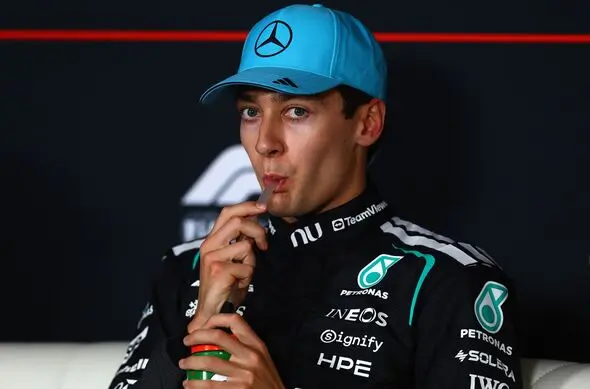
Despite the challenges, Verstappen produced a commendable recovery drive, fighting through the field to finish sixth. He overtook several cars in a race marked by unpredictable energy strategies and incidents, including multiple retirements that thinned the field. George Russell claimed victory for Mercedes, with strong showings from Ferrari and others highlighting how the new rules have leveled the playing field in some ways while exposing weaknesses in others.
Post-race, Verstappen did not hold back in his assessment. Describing the racing as “chaos,” he expressed deep dissatisfaction with how the cars performed and handled. He had previously likened the feel during pre-season testing to “Formula E on steroids,” criticizing the heavy emphasis on energy harvesting and deployment over pure mechanical grip and driver skill. After Melbourne, he escalated his demands, calling for the sport to become “Formula 1 on steroids” — a clear plea for more powerful, exciting, and traditional grand prix racing rather than what he perceives as a diluted product.
“I love racing, but you can only take so much,” Verstappen told media, including outlets like RacingNews365 and Speedcafe. “I think they’re willing to listen, the FIA and F1, but I just hope that there is some action because it’s not that I’m the only one saying it — a lot of people are speaking the same.” His words carried weight, as similar sentiments echoed from other drivers and teams who found the energy management demanding and the overtaking opportunities limited in certain scenarios.
The Australian GP featured intense early battles due to varying SoC levels, but as races progress and strategies stabilize, concerns remain that the spectacle could suffer.
Verstappen’s frustration stems from a broader concern that the 2026 rules, finalized after extensive consultation but now facing real-world scrutiny, have moved the sport too far from its high-speed, high-adrenaline roots. The increased electric component — with power units delivering around 50% of total output from the MGU-K — requires drivers to think like energy managers rather than pure racers at times. This shift, intended to align F1 with sustainability goals and attract manufacturers like Audi and Ford, has sparked debate about whether it compromises the essence of grand prix racing.
The Dutch driver’s comments were not isolated outbursts. He has been one of the most vocal critics since the regulations were locked in, repeatedly warning that if the cars fail to deliver enjoyment, he might reconsider his commitment. His current contract with Red Bull runs through the end of 2028, but he has hinted multiple times that enjoyment is non-negotiable. “I love the sport, but you can only take so much,” he reiterated, underscoring that his criticism comes from passion rather than negativity. He hopes the chorus of complaints from drivers, engineers, and fans will prompt meaningful revisions.
The FIA and Formula 1 have mechanisms to review regulations mid-cycle if widespread issues emerge, though major changes are complex and require consensus among teams. Verstappen acknowledged this, expressing cautious optimism that authorities are open to dialogue. “I know that they’re willing to listen,” he said, but stressed the need for “action” rather than promises. Minor tweaks might not suffice; he and others believe the core philosophy around power delivery and car behavior needs reevaluation to restore the thrill that defines F1.
The Australian Grand Prix result showed promise in some areas — close racing in the opening laps, strategic variety, and a win for Mercedes signaling strong competition — yet Verstappen’s performance and words dominated headlines. His recovery to sixth demonstrated his skill and Red Bull’s potential, with the team assessing that pace deficits are split between chassis and power unit issues that can be addressed. Teammate Isack Hadjar qualified impressively but faced his own challenges, underscoring the learning curve for everyone in this new era.
As the season moves forward, all eyes will be on how the FIA responds. Verstappen’s influence is undeniable; as a multiple champion and one of the sport’s biggest stars, his voice carries significant weight. If the collective feedback leads to adjustments, it could enhance the championship. If not, the hints at retirement — subtle but repeated — could become more concrete.
For now, Verstappen continues to compete at the highest level, driven by his love for racing. But his post-Australia comments serve as a stark reminder to the sport’s governing bodies: keep the drivers engaged and excited, or risk losing one of its greatest talents. The 2026 season has only just begun, and the debate over its direction is far from over. The coming races will reveal whether the chaos in Melbourne was a one-off or a sign of deeper issues that demand urgent attention.